What is the difference between a hot-cut border and a merrow border?
A merrow (overlock) border wraps a simple shape in a raised stitch. A heat-cut border, also called hot-cut, is sealed with heat and follows any outline. Both are included.
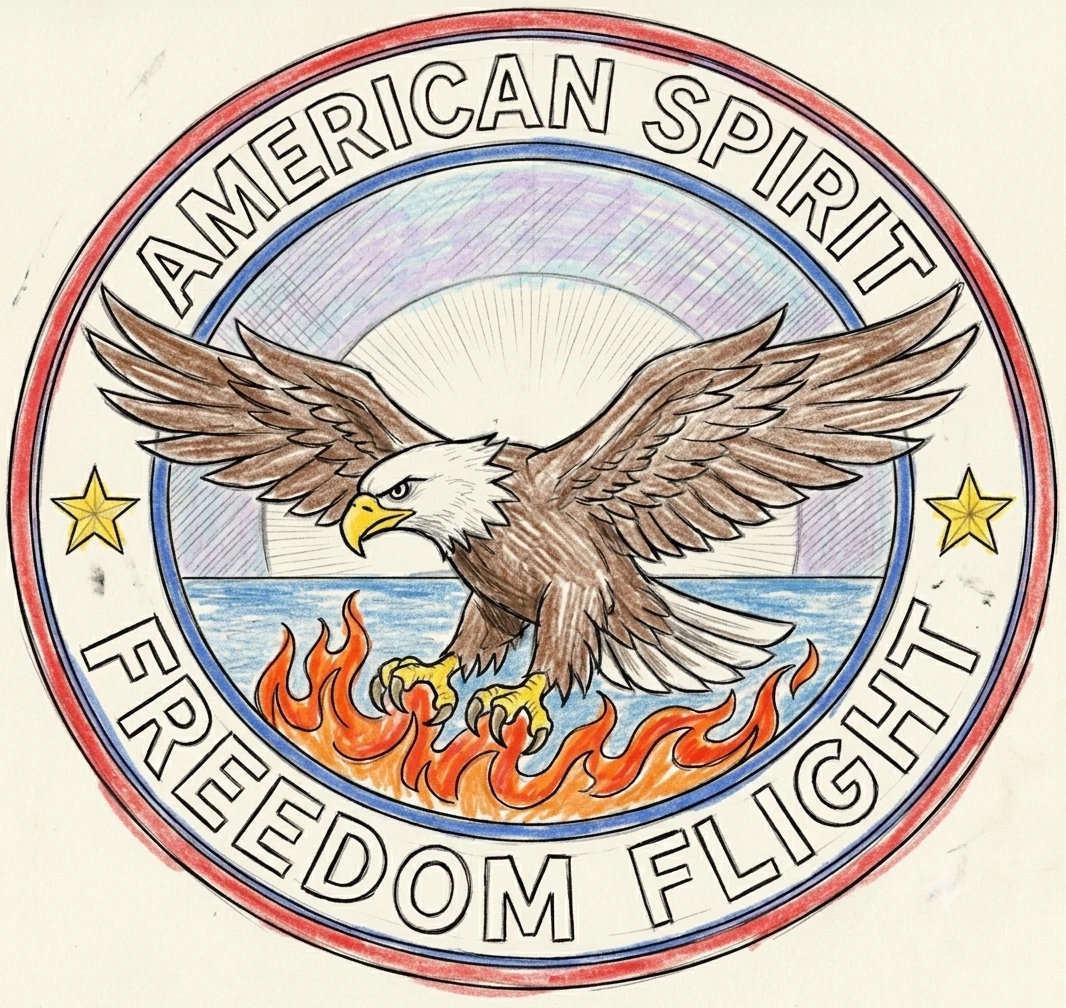

What each border is
A merrow border is a stitched wrap. The patch is cut to a simple outline first, then an overlock machine loops thread over the raw edge and around the back. The rim stands up, it is even all the way round, and there is no loose fabric left to unravel. On our order tools this edge is named Merrow. It is also called a merrowed border or an overlock border. The word comes from the overlock machines that made the stitch common, not from a thread color or a patch shape.
A heat-cut border is made in the other order. The design is stitched first, usually with a satin stitch just inside the future edge, while the patch is still on a larger sheet of fabric. A hot knife or a laser then cuts along that stitch and melts the edge shut. The rim stays thin and flat, and it can follow an outline an overlock stitch cannot wrap. On our order tools this edge is named Heat-cut. The same finish is widely called hot-cut. On a printed patch we also call the cut-to-the-design version a die-cut edge, and on woven patches the same sealed cut is sometimes called laser-cut.
Which shapes each one suits
Merrow needs a smooth outline. It suits circles, ovals, squares, rectangles, and shields: shapes with gentle corners and no notches. A sharp inner corner, a tight curve, or a hole through the design gives the overlock thread nowhere even to sit, so those outlines are not merrowed.
Heat-cut handles the rest. A mascot silhouette, a logo that is itself the shape, a cross with points, a state outline, or any cutout is cut and sealed to the art. The patch becomes the shape, rather than a badge with a picture set inside a frame.
Look, wear, and size
A merrow border reads like a frame. It stands off the garment, often in a contrasting thread such as gold on navy, and it gives a sew-on patch a clear line to stitch along. That is the classic edge on uniform shoulder patches, scout badges, and club crests.
A heat-cut edge lies close to the cloth, so the artwork is the outline. That is the look most brand and fashion patches want. Because the rim is only a thin sealed line, lettering and fine detail can sit closer to the edge, which matters on a small patch. A satin stitch just inside the cut keeps the edge looking finished.
Both edges are made so the fabric does not unravel, and both are washed with the garment. The merrow wrap is the tougher rim where a patch rubs on a strap, a seat belt, or a pack. A heat-cut edge is sealed, so it does not fray, but the thinner line shows abrasion sooner in those same spots.
The border does not change the size range or the price. Embroidered patches run from 1.5 inches to 12.5 inches on the longest side, and choosing Merrow or Heat-cut does not add a per-patch charge. On a patch at the small end, the raised merrow rim takes a larger share of the face, so a design with text close to the outline is the easier one to heat-cut.
Which patch types use them
Embroidered patches take either edge, and both are included. Woven patches offer the same choice. Printed patches include a merrowed border as standard, and a die-cut edge that follows the design is included too. Chenille includes a merrowed border and is made for bold, simple shapes such as varsity letters. A very intricate logo is a better fit as embroidered or woven with a heat-cut edge.
PVC is molded rubber. The edge is the mold, not a stitch and not a cut seal, so a PVC patch uses neither a merrow border nor a heat-cut border.
Felt and velveteen borders are a different finish. They are quoted by hand as a special order. They are not a stand-in for Merrow or Heat-cut, and they are not a line on the self-serve price.
| Merrow | Heat-cut | |
|---|---|---|
| Also called | Merrowed, overlock | Hot-cut. Die-cut on printed, laser-cut on woven |
| How it is made | Overlock stitch wraps the edge after a simple shape is cut | Satin stitch, then the edge is cut and sealed with heat or a laser |
| Look | Raised frame, often a contrasting thread | Thin and flat. The design is the outline |
| Shapes | Circle, oval, square, rectangle, shield | Any custom outline, including points and cutouts |
| Wear | Tougher rim where gear rubs | Sealed so it does not fray. Thinner, so hard abrasion shows sooner |
| Price | Included | Included |
| Best for | Uniforms, scouts, clubs, classic badges | Brand marks, fashion, mascots, intricate logos |
| Patch types | Embroidered, woven, printed, chenille | Embroidered, woven, printed. Not PVC |
Felt and velveteen borders are a separate special-order finish. PVC is molded and uses neither edge.
Which should I choose?
Uniforms, scouts, and clubs
Choose Merrow when the patch is a simple badge that will be worn hard. The raised rim is the frame people expect, and it takes the abrasion.
Brand, fashion, and logos
Choose Heat-cut when the logo, mascot, or lettering is the shape. The edge follows the art and sits close to the garment.
A printed patch
A merrowed border comes standard, so it still reads as a patch. A die-cut edge that follows the design is included too, when the outline should be the art.
PVC
Skip both. A PVC patch is molded, and the edge is part of the mold.
Questions about patch borders
What is a merrow border?
A merrow border, also called an overlock border, is thread wrapped around the edge of the patch. It is raised and even, and it is the finish for simple shapes. In our order tools the name is Merrow.
What is a heat-cut border?
A heat-cut border, also called hot-cut, is cut and sealed with heat or a laser, usually along a satin stitch sewn just inside the outline. It stays thin and can follow any custom shape. In our order tools the name is Heat-cut. On a printed patch the same cut-to-the-design edge is called die-cut, and on woven it is sometimes called laser-cut.
Which shapes can take a merrow border?
Circles, ovals, squares, rectangles, and shields. Sharp inner corners, tight curves, notches, and cutouts are heat-cut instead, because an overlock stitch cannot wrap them evenly.
Does a heat-cut border cost more than merrow?
No. Merrow and heat-cut are both included in the patch price. Choosing one or the other does not add a per-patch charge. Felt and velveteen borders are a separate special-order finish, quoted by hand.
Do PVC patches use a merrow or heat-cut border?
No. A PVC patch is molded rubber. The edge is part of the mold, so it is neither merrowed nor heat-cut.
How do I choose the border in the AI tool?
Open the designer and pick the shape, or name the edge in the chat. A circle, oval, square, rectangle, or shield is finished with a merrow border. A custom outline is heat-cut to the design. The proof shows the edge before you order, and both are included in the price.
Choose the border in the designer
Describe the patch, then pick the shape. A circle, oval, square, rectangle, or shield is finished with a merrow border. A custom outline is heat-cut to the art. You can also name the edge in the chat. Both are included.
Design your patch